
These Four Albums Shaped Southern Rock’s Lasting Legacy
There has been no shortage of genre-defining, well-loved Southern rock albums. It's a sound and vibe that remained stubbornly resilient, despite more than its share of plane and motorcycle crashes.
But some moments rose above the others, as shown by the following list of 'Big 4' of Southern Rock Albums. Some of them might be obvious. No legitimate countdown is complete without the Allman Brothers Band and Lynyrd Skynyrd – but what about the rest?
That's where it gets tricky. After all, there's a striking diversity in this music. These bands were often only really connected by the latitude of the little country towns where they started.
What's the Best Southern Rock Album?
For instance, South Carolina's Marshall Tucker Band dabbled in bluegrass and country, while self-explanatory Black Oak Arkansas brought in funk influences. Texas-born ZZ Top was the bluesiest of them all – and the hairiest. Quite the accomplishment.
The generations eventually meant little, too. Siblings, children and cousins of the first wave of Southern rock ultimately carried on this tradition – and, in some cases, even assumed their place in some of classic rock's best-known legacy bands. But they weren't alone.

The mystery and power of Southern rock proved remarkably resilient. Revivalists like Georgia Satellites in the '80s paved the way for the Black Crowes and Gov't Mule in the '90s. The Drive-By Truckers followed the same path into the decade to follow.
READ MORE: Top 35 Southern Rock Songs
So, who joined the Allmans and Skynyrd in the proverbial Mount Rushmore of this remarkably ageless genre? Here's a ranked look back at the four best Southern rock albums:

No. 4. 'Decoration Day' (2003)
From: Drive-By Truckers
The Drive-By Truckers came into their own here, adding an intriguing new voice in Jason Isbell. Fresh off Southern Rock Opera, they took a turn toward the more contemplative, telling inky tales of difficult choices and love gone wrong.
Isbell, a decade younger than co-founders Patterson Hood and Mike Cooley, played a key role in that shift: The title track was the first thing he ever wrote with the Drive-By Truckers. But something more fundamental was already changing, as the group began to rely more on their instincts – first in hiring Isbell and then in their entire approach to Decoration Day.
They'd steadily gained enough experience to be great, and now they were putting it to good use.
READ MORE: Drive-By Truckers' Patterson Hood Doesn't Care If You Are Offended
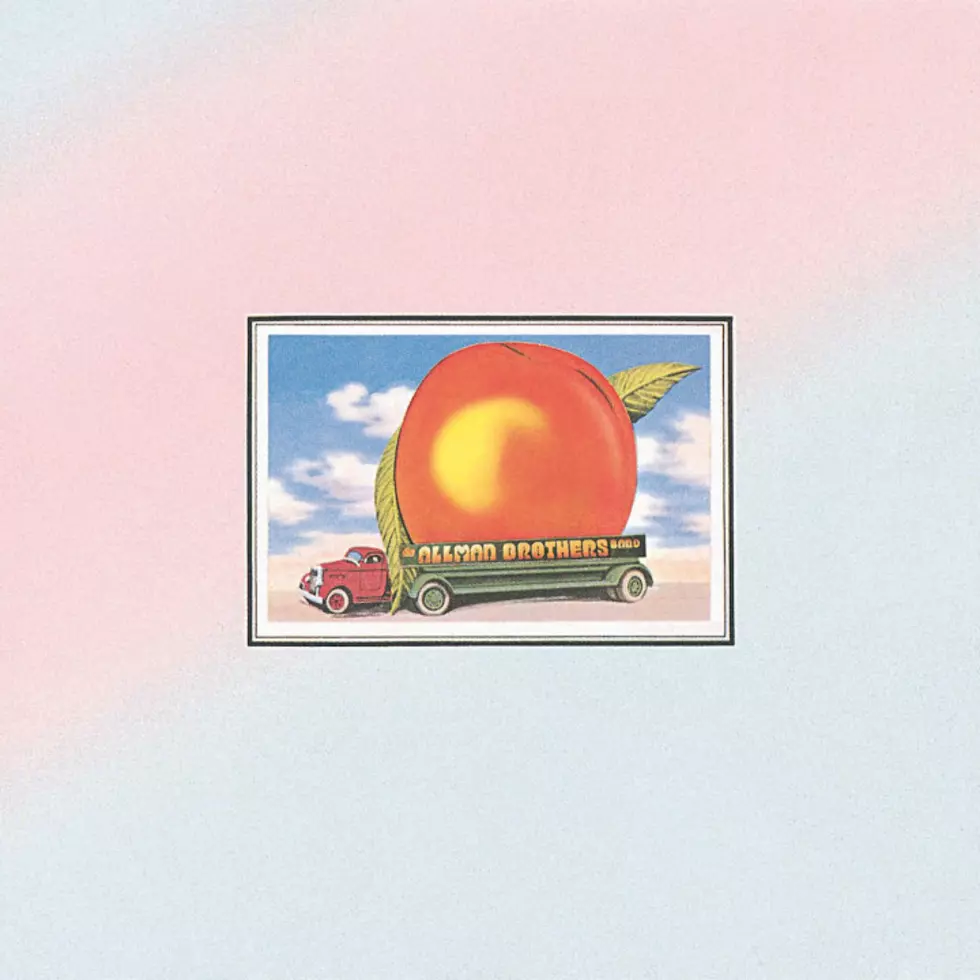
No. 3. 'Eat a Peach' (1972)
From: Allman Brothers Band
Cobbled together in the wake of Duane Allman's sudden death, Eat a Peach became both an emotional memorial to his greatness and the initial road map for carrying on. The Allman Brothers Band had finally broken through with 1971's At Fillmore East before Allman met his fate at a Macon, Georgia, intersection.
That left his bandmates to combine early sessions they'd already finished with Fillmore leftovers (including a half-hour examination of "Mountain Jam") and – in a move that hurtled Eat a Peach to greatness – some key new songs. Gregg Allman said the touching ballad "Melissa" had been one of his late brother's favorites; "Ain't Wastin' Time No More" directly addressed what must have been an unfathomable pain.
Meanwhile, Dickey Betts' "Les Brers in A Minor" hinted at where they'd go on 1973's Brothers and Sisters.
READ MORE: Top 10 Duane Allman Studio Sessions
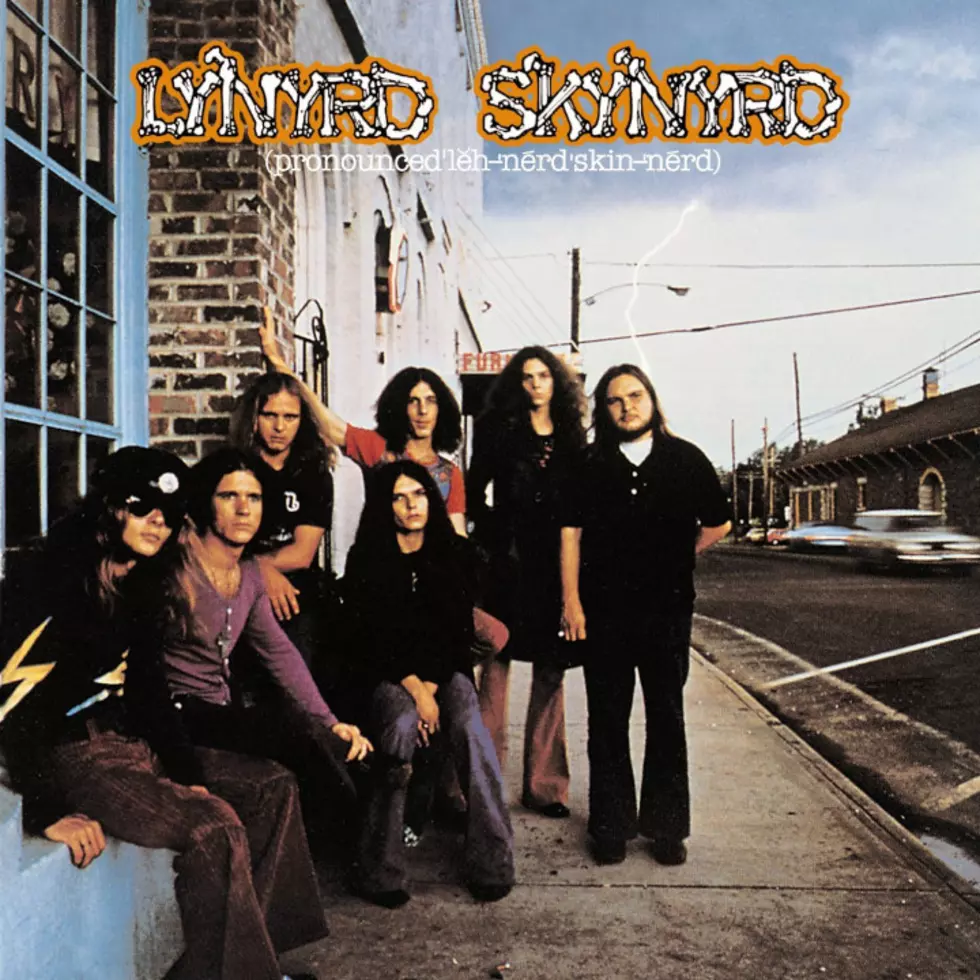
No. 2. '(Pronounced Leh-nerd Skin-nerd)' (1973)
From: Lynyrd Skynyrd
Lynyrd Skynyrd had worked for years to get to this point, and it showed. (Pronounced Leh-nerd Skin-nerd) was a song-by-song foundation-laying success.
In fact, with tracks like "Tuesday's Gone," "Gimme Three Steps," "Simple Man" and the forever-requested "Free Bird," it almost plays like a greatest-hits package. But they certainly weren't an overnight sensation: The core of Ronnie Van Zant, Allen Collins and Gary Rossington had been playing music together as far back as 1964.
Band names and bandmates came and went before they finally settled on Lynyrd Skynyrd, but by then they had amassed a deep well of lean, hard-rocking, often darkly poetic songs. That edge set them apart.
READ MORE: You Think You Know Lynyrd Skynyrd?

No. 1. 'At Fillmore East' (1971)
From: Allman Brothers Band
This project would make or break the Allmans, and they knew it. That's why they settled on making a live album, something that would showcase their strengths as improvisers.
That's why they met with producer Tom Dowd after the first show, sketching out which songs needed another run-through. That's why they empowered Dowd to edit and, in some cases, condense their performances in order to achieve something greater than the sum of those evenings' parts. It worked.
At Fillmore East remains a last will (this was the final album released in Duane Allman's lifetime) and a testament – to the Allman Brothers Band, and to Southern rock's lasting power and beauty. It's not just the best of its kind; At Fillmore East might be the best live rock album ever.
READ MORE: The Very Best Dickey Betts Songs
The Top 20 Jam Bands
Gallery Credit: Nick DeRiso
Listen to Lynyrd Skynyrd’s Johnny Van Zant on the 'UCR Podcast'
More From Ultimate Classic Rock