Jack White, ‘Frozen Charlotte': Album Review
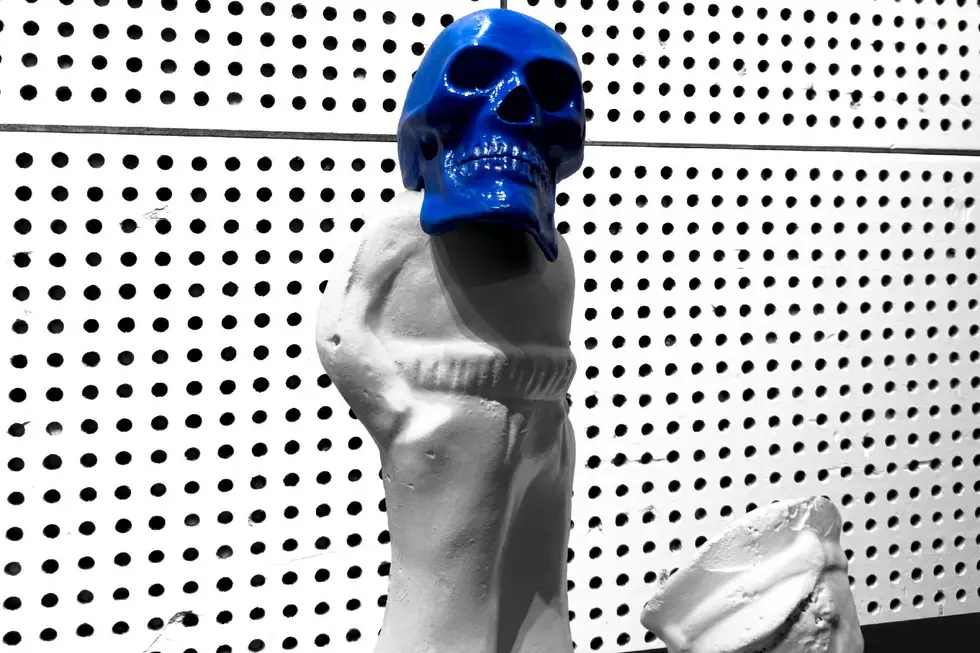
Jack White's 2024 album, No Name, first arrived in the bags of unsuspecting shoppers at his Third Man Records stores in Detroit, London and Nashville. His newest release, Frozen Charlotte, was unexpectedly revealed at the conclusion of an episode of a Third Man video series.
Non-traditional releases have become commonplace for White in the 2020s. No Name was preceded by two 2022 albums, Fear of the Dawn and Entering Heaven Alive, a pair of disparate records that highlighted White’s electric guitar work (Fear) and acoustic country and folk songs (Entering). With Frozen Charlotte, his seventh solo record since dissolving the White Stripes in 2011, he nods to his old band’s nod to the electric blues and proto-hard rock of the late '60s and early '70s.
And he does it with a seasoned band made up of bassist Dominic Davis, drummer Patrick Keeler and Hammond organist Bobby Emmett, longtime supporters who backed White on live dates for No Name. "I got one rule: I don’t start nothing, nothing that I cannot finish," he sneers in "Derecho Demonico," wringing second-hand blues from his hard-rock guitar. In many ways, this is White at a new start: his most democratic LP of his solo career.
READ MORE: Top 250 American Songs
No Name felt like a breathless rush; Frozen Charlotte is no less exhilarating. It’s more deliberate in its approach and method, though. Like its predecessor, Frozen Charlotte is a guitar album. Unlike No Name, though, this doesn't feel like reinvention so much as fortification. It even begins with a riff-driven rumble called "G.O.D. and the Broken Ribs" that's completed by a "Welcome to the Garden of Eden ... Microphone check, one, two, one, two" intro.
The songs and their power riffs come fast and effortlessly: the Hendrix-styled "Derecho Demonico," "You'll Never Fix Me"'s distorted defiance, the swampy tangle of "Dollar Bill." Point of reference throughout is the period when Led Zeppelin's late-'60s electric blues turned into the hard-rock throb that dominated 1970s FM radio, viewed through White's modern search-and-destroy lens. In the chugging "All Alone Again," he sings, "To find a needle in a haystack / Well, it's plenty easy / You just burn down the haystack, and then you'll find what you need." It's a strategy that's served White well for more than a quarter century now.
From the White Stripes and Robert Plant to Radiohead and David Bowie: The Top 25 Rock Albums of the 21st Century (So Far)
Gallery Credit: Michael Gallucci
More From Ultimate Classic Rock