Columbia House Is Shutting Down After 71 Years
Columbia House, the subscription-based mail-order music club, has quietly announced it is shutting down.
”After 9/15/26, The Columbia House will no longer be accepting new orders,” noted a message on the company’s website. “You can still purchase books with your credit card or credits as normal.”
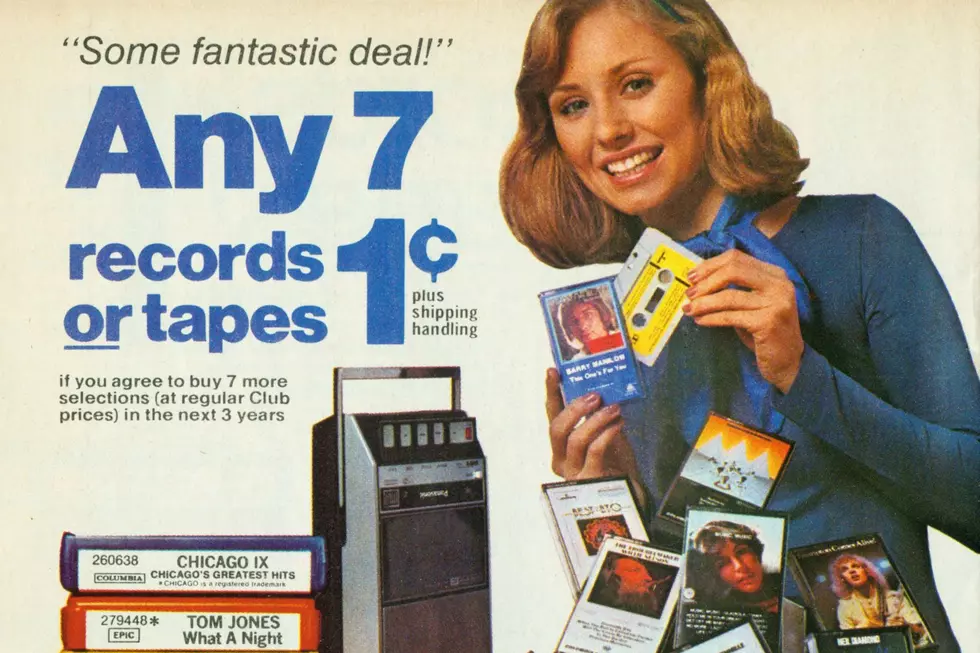
Columbia House was originally launched in 1955 by Columbia Records. Designed as a way to reach music lovers in rural or suburban areas that often didn’t have record stores, the Columbia House concept was simple, yet revolutionary. Customers could order records by mail and have them delivered directly to their home. Membership often came with promotional discounts, as long as the subscriber promised to purchase a minimum number of full-priced records within the first year.
READ MORE: 65 Greatest Album Covers of All Time
The groundbreaking model proved successful, as Columbia House quickly racked up subscribers. As the brand’s popularity grew, it continued to push into new formats. Columbia House rode the wave from vinyl to cassettes and onto CDs, and somehow seemed to get bigger with each evolution.
When Did Things Go Wrong for Columbia House?
By the mid-’90s, it boasted more than 16 million members and was a significant force in the music industry, accounting for over 15% of CD sales in America. Many fans remember this era of Columbia House the best, as the company regularly offered new subscribers 10 CDs for just a penny when they signed up.
However, after successfully surviving many new changes in the music industry, Columbia House proved unable to handle the digital revolution. A failed merger with CDNow in 1999 foreshadowed future struggles. By 2001, Columbia House’s imprint in the music sales market was half of what it had been just five years prior. The rise of file sharing sites like Napster and Limewire only further added fuel to Columbia House’s demise.
READ MORE: 30 Greatest '90s Music Videos
After a series of ownership changes, Columbia House filed for bankruptcy in 2015. The company stopped selling music entirely, instead focusing on DVD and Blu-rays.
Though the company was often criticized for its business practices – including a reputation for making it difficult for customers to cancel their membership – it remained a nostalgic icon to generations of music lovers.
Albums Banned by Walmart
More From Ultimate Classic Rock