The Beatles, ‘Rubber Soul (Special Edition)': Album Review
The line the Beatles drew to mark a turning point in late 1965 was both bold and significant.
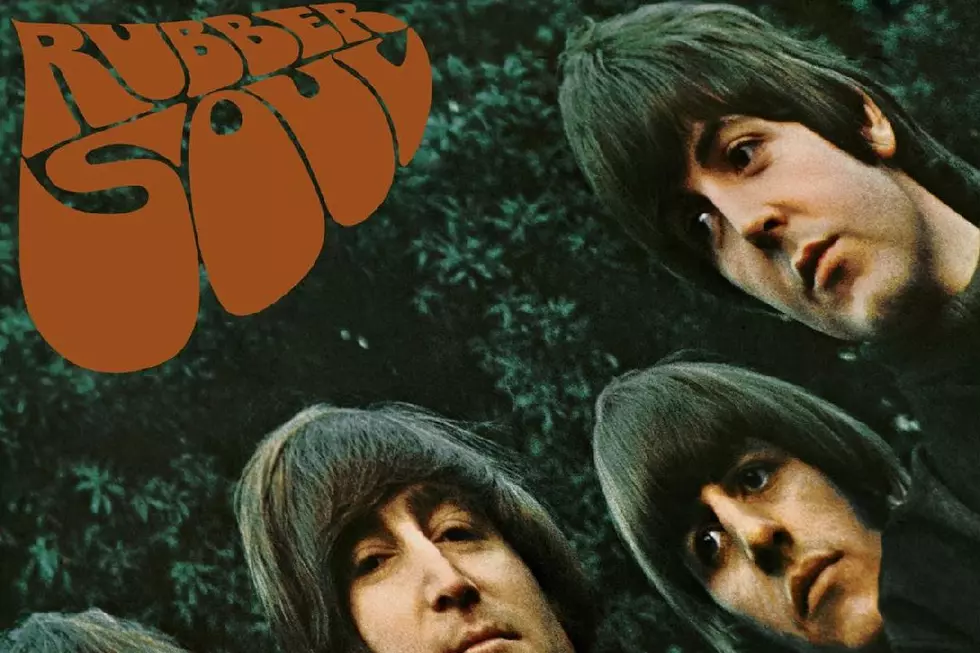
With the release of Rubber Soul, their sixth album, in December, the mop-tops took their first big step toward becoming artists. Its influence and history-making chain of events (from Pet Sounds to Revolver to almost every aspiring musical work released in the past six decades) have been well documented for decades. Then and now, it deserves all the attention.
Things were happening fast for the Beatles in their fifth year together. Since the release of their debut album, Please Please Me, in March 1963, the quartet was on a nonstop rotation of live performances and studio dates. In the 13 months between their second LP and December 1964's rushed Beatles for Sale, they released three albums and a handful of stand-alone singles. In August 1965, they issued Help!, the semi-soundtrack to their second film; they were expected to produce another album plus a new single before the holiday season that year.
READ MORE: Top 100 Rock Songs of All Time
A new four-CD Special Edition of Rubber Soul charts the monthlong sessions that provided the album's 14 songs plus the simultaneously released single "We Can Work It Out" / "Day Tripper." From "Wait," which started during the recording of Help! though completed five months later (an instrumental backing track is included here), to "Girl" (again, an instrumental backing track is featured), the Beatles were all business, wasting little studio time — a sharp contrast to a half year later, as they began work on the prolonged Revolver sessions.
So, the revelations on the Rubber Soul box set aren't as pronounced as they are on previous special editions of Beatles albums. It's the details that stand out: take two of "Norwegian Wood (This Bird Has Flown)," where George Harrison's sitar finds its place in John Lennon's song; a "songwriting work tape" version of "Day Tripper" featuring Lennon and Paul McCartney on acoustic guitars and without the famous riff; McCartney's brief acoustic demo for "We Can Work It Out" and then an early instrumental backing track for the song that lean into the album's respective folk and soul influences; and three takes of "I'm Looking Through You" that show its evolution from mid-tempo folk song to organ-energized R&B number, all found on CD Two's sessions and demos, the main attraction of these remixed and expanded collections.
Listen to the Beatles' 'Michelle (Take 1)'
Also included is "Little Girl," a previously undocumented Lennon song stitched together by box set mixer Giles Martin from sections of a demo tape. Like Rubber Soul's other outtake, "12-Bar Original" (an instrumental blues that appeared on Anthology 2), the old-fashioned "Little Girl" would have been an outlier on the album had it been included. (In all fairness, it's hard to gauge how the other Beatles and their growing interest in the studio may have contributed to this spare acoustic demo.)
The album's mono master on the Special Edition's third disc is vital because it's what the Beatles and producer George Martin originally intended for Rubber Soul, but casual listeners may find it redundant. More fitting is the original 12-song Capitol Records U.S. version (CD Four), which positioned the Beatles as a folk-rock group by removing four tracks and some of its inherent Motown elements from the standard U.K. edition, and adding two leftovers from Help! While perhaps not better, the U.S. version arguably could be considered more coherent in its tone. It's a compelling argument for Rubber Soul as a natural progression rather than a deliberate shift in direction. Either way, after this, they were ready for their next stage.
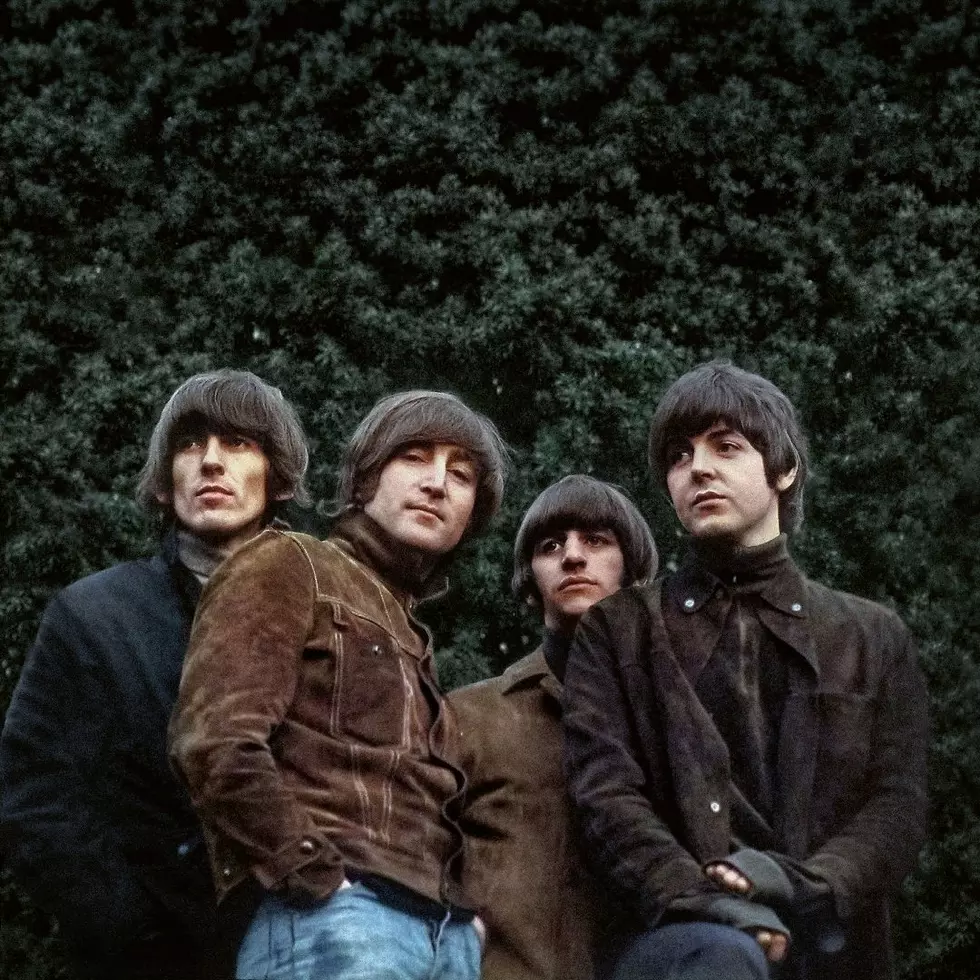
From 'Rubber Soul' to 'Revolver' and More: Every Beatles Album Ranked
Gallery Credit: Michael Gallucci
More From Ultimate Classic Rock