
Top 10 Duane Allman Studio Sessions
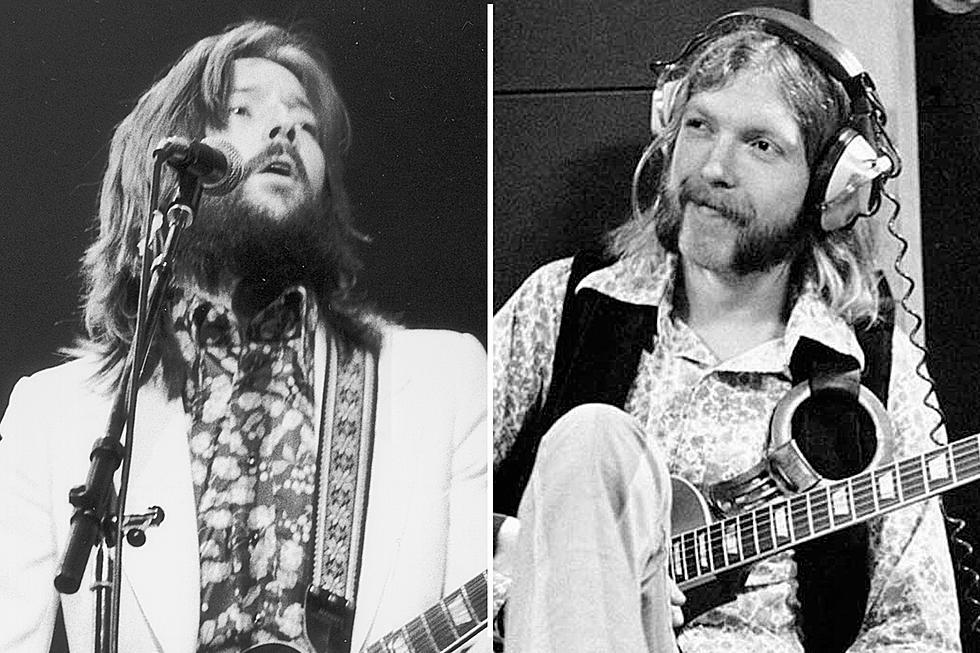
Before Duane Allman became a guitar hero in the Allman Brothers Band, the southern-rock jam group he formed with his brother Gregg in 1969, he was a hotshot session guitarist who was logging tons of studio time with some of the best R&B singers in the world. After the Allman Brothers started to make some noise with their albums, Duane continued to record with other artists, most notably with Eric Clapton in Derek and the Dominos, until his death in 1971. This list of the Top 10 Duane Allman Studio Sessions doesn't include any of his work with the Allman Brothers, but it does include some of the best and most soulful guitar solos you'll ever hear on record.
- 10
'Shake for Me'
John Hammond, Jr.From: 'I Can Tell' (1967)
Hammond was the son of the record-company heavy who helped launch the careers of everyone from Billie Holiday to Bob Dylan to Aretha Franklin to Bruce Springsteen. Like his father, he loved rural acoustic blues music and built a cult career paying tribute to his heroes. He also attracted some famous fans, including Jimi Hendrix, Clapton and Allman, who played on a couple of Hammond's albums. This bluesy shuffle from 1967 marks one of Allman's first gigs as a session musician. His singing slide is unmistakable.
- 9
'Road of Love'
Clarence CarterFrom: 'The Dynamic Clarence Carter' (1969)
Carter was a blind R&B singer who hit the Top 10 with 'Patches' and 'Slip Away,' which Gregg Allman later covered. But on this album track from 1969 he takes on soulful blues with some help from an eager horn section and Duane Allman's jagged guitar, which punctuates every line with a fierce sting.
- 8
'Livin' on the Open Road'
Delaney & BonnieFrom: 'To Bonnie From Delaney' (1970)
These married L.A. hippies had lots of famous friends and fans, including Clapton, Leon Russell and George Harrison. They even reached No. 13 in 1971 with 'Never Ending Song of Love.' But like many of the cuts on our list of the Top 10 Duane Allman Studio Sessions, 'Livin' on the Open Road' is a bluesy R&B rocker with a positively piercing guitar solo provided by Allman.
- 7
'Games People Play'
King CurtisFrom: 'Instant Groove' (1969)
King Curtis was a saxophone player who got his start with jazz bandleader Lionel Hampton in the early '50s. By the '60s, he was playing on sessions for the Coasters, Aretha Franklin and the Shirelles, among many others. He managed to chart several singles as a solo artist by the end of the decade, but this instrumental couldn't crack the Top 100. Still, Allman's subtle guitar lays a solid foundation.
- 6
'Little Wing'
Derek and the DominosFrom: 'Layla and Other Assorted Love Songs' (1970)
Only the live Allman Brothers Band album 'At Fillmore East' features more blistering guitar solos by Allman. Derek and the Dominos were spearheaded by Clapton, but it's Allman who steals the spotlight on nearly every song. The band's only studio record is filled with classic cuts (three of its tracks make our list of the Top 10 Duane Allman Studio Sessions), including this revved-up take on Hendrix's plaintive ballad.
- 5
'Loan Me a Dime'
Boz ScaggsFrom 'Boz Scaggs' (1969)
Scaggs just spent two years with the Steve Miller Band when he booked some time at the famous recording studio in Muscle Shoals, Ala., working with its terrific session group. The entire album is stuffed with great music, but this 12-minute simmering blues ditty is the highlight, thanks to Allman's ringing guitar lines throughout.
- 4
'Why Does Love Got to Be So Sad?'
Derek and the DominosFrom: 'Layla and Other Assorted Love Songs' (1970)
'Why Does Love Got to Be So Sad?' rushes out of the gate and doesn't let up for nearly five intense minutes. It features one of Clapton's best-ever vocals, but more than that, the dueling-guitar battle ranks among the all-time greatest. Clapton and Allman square off throughout the entire song, with neither giving way. Seriously -- check out the solos that start around the three-minute mark and continue all the way until the end. It's simply incredible!
- 3
'The Weight'
Aretha FranklinFrom: 'This Girl's in Love With You' (1970)
The Queen of Soul's terrific cover of the Band's standard starts with Allman's guitar, solo and mournfully moaning the blues. From there, he practically stabs at every line that comes out of Franklin's mouth. The song was recorded at Muscle Shoals, so it features a terrific performance by everyone involved.
- 2
'Hey Jude'
Wilson PickettFrom: 'Hey Jude' (1969)
The R&B giant's soulful take on the Beatles' classic, like so many other cuts on our list of the Top 10 Duane Allman Studio Sessions, comes from Allman's time as a session guitarist at the Muscle Shoals recording studio in Alabama. Pickett turns the tune into a swaying gospel hymn; Allman's guitar solo during the finale is simply heavenly.
- 1
'Layla'
Derek and the DominosFrom: 'Layla and Other Assorted Love Songs' (1970)
The title track and centerpiece of Derek and the Dominos' only studio album features one of the greatest guitar riffs ever recorded. But it's the solos -- Clapton and Allman duke it out just like they do elsewhere on the album (see Nos. 4 and 6 on our list of the Top 10 Duane Allman Studio Sessions) -- that make it an undisputed classic. Their duel attacks right before the coda are brilliant, but it's Allman's weeping slide during the last part of the song that claims victory in the end.
More From Ultimate Classic Rock